Cottage food laws for home bakeries: start with your state
A state-first guide to cottage food rules for US home bakers, with current examples from Texas, Ohio and California.
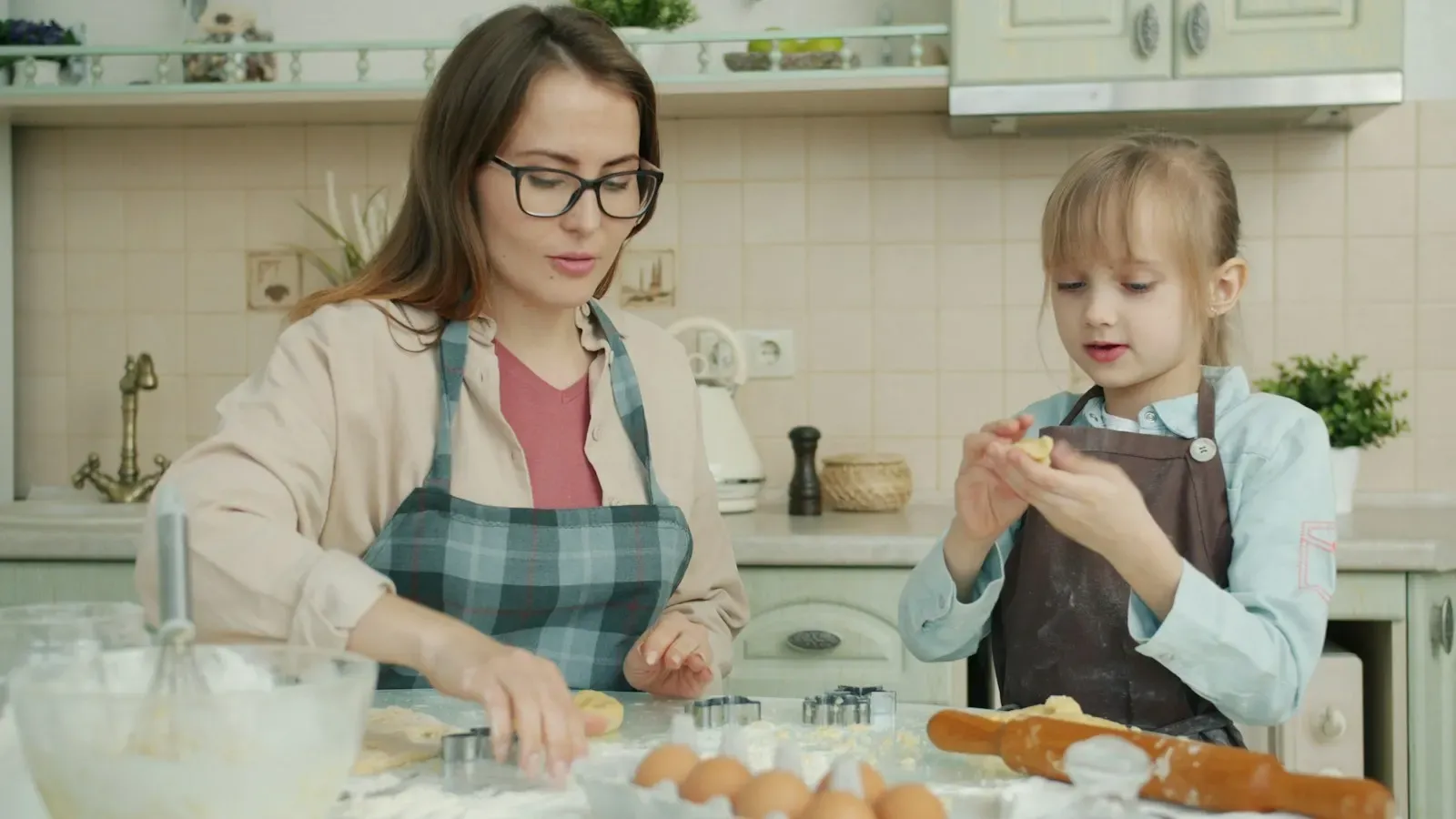
Cottage food laws for home bakeries are state laws, not one US rule. Before you price a cupcake or print a label, check your state’s allowed foods, sales channels, registration or permit requirements, labeling rules and revenue limits. Texas, Ohio and California differ enough that a single national checklist would be misleading.
There is no federal switch you flip to become a “cottage bakery.” Your state decides whether your home kitchen can produce the item, where you can sell it and what has to be on the label. Local zoning and business rules can sit on top of that.
The five questions to answer in your state
Before you take an order, find the state agriculture or health authority and answer:
- Is my exact product allowed?
- Does it require refrigeration or other temperature control?
- Do I need registration, a permit, training or inspection?
- Where can I sell: direct, online, farmers market, retail, wholesale?
- What must the label say?
Then check local zoning, tax and business-registration requirements separately. A cottage-food exemption is not a magic cloak over every other law.
Texas: the rule changed in 2025
Texas shows why the date of a rule matters. The Texas Department of State Health Services says SB 541 expanded allowable foods, changed labeling and registration rules and raised the annual gross-income threshold to $150,000. Public-health entities had to comply with the new legislation beginning September 1, 2025.
Texas now allows many foods but excludes categories such as meat, seafood, ice products, low-acid canned goods, cannabinoid products and raw milk products. Foods that need time and temperature control for safety come with registration and safe-handling requirements, and every operator needs basic accredited food-safety education.
That is a lot more specific than “home bakers do not need a permit.”
Ohio: bakery products, but not every bakery product
Ohio law defines cottage food production around foods that are not potentially hazardous, and the state’s approved list includes non-potentially-hazardous bakery products. Ohio labeling rules require the business name and address, product name, ingredients in descending order, net weight or volume and the statement “This product is home produced.”
The practical translation for a baker is simple: a cookie is not automatically legal because it came out of an oven. The finished product and its storage needs matter. A cream-filled pastry that needs refrigeration is a different regulatory question from a shelf-stable sugar cookie.
California: Class A and Class B are different businesses
California’s Department of Public Health separates cottage food operations into Class A and Class B.
Class A is for direct sales. California explicitly includes direct transactions made through phone, internet and other digital methods, with fulfillment that can include in-person, mail or third-party delivery. Class B allows both direct and indirect sales. The two classes also differ on registration versus permitting and on how the operation deals with the local enforcement agency.
CDPH’s requirements page displays statutory base gross-sales limits of $75,000 for Class A and $150,000 for Class B. California also adjusts those limits for inflation every year, so check the current figure on the CDPH page before you plan around it.
Same country. Three states. Three different answers.
Cottage food is a product rule and a channel rule
A home baker can make a product that is allowed and still choose a sales channel that changes the requirement. California’s direct versus indirect distinction is explicit. Texas added a cottage-food vendor concept and wholesale conditions. Farmers markets can add their own vendor application, insurance and booth requirements even when state cottage-food law allows the product.
Your website can accept an order only if the underlying sale and fulfillment are legal where you operate. The Instagram post is the easy part.
Labeling is not branding
Your logo does not replace the legal label. State rules can require product identity, ingredients, allergens, net quantity, business information and a specific disclosure that the food came from a home operation.
Texas uses a required private-residence disclosure. Ohio requires “This product is home produced.” California has its own cottage-food labeling framework.
Do not copy a label template from another state because it looks professional. It can be professionally wrong.
Food safety training may be mandatory
Texas requires basic food-safety education for cottage-food operators, and California requires Cottage Food Operator Training within its framework.
Even where a state does not require the same course, allergen control and sanitation are part of running a food business, not optional copy for the About page. If one mixer, one spatula and one refrigerator serve both your family and your customers, process discipline matters.
What about sales tax and federal tax?
Cottage-food permission is not the same as tax treatment. Federal business profit for a sole proprietor is generally reported through Schedule C, and self-employment tax can apply. State sales-tax treatment of food varies by state and sometimes by the form of the product or how it is sold.
The home bakery tax guide covers Schedule C and self-employment tax. Keep the two questions apart: a food permit says nothing about what you owe.
What a baker should do before the first sale
Start with your state authority, then your county or city.
Write down the exact product and sales method you plan to use. “Cupcakes” is not specific enough if the frosting needs refrigeration. “Online” is not specific enough if you ship across state lines.
Keep the rule URL and the date you checked it in your business notes. Rules change; Texas proved that in 2025.
A legal home bakery is not created by copying somebody else’s checklist. It is created by knowing which rule applies to your kitchen.
Stop pricing by guesswork.
Add recipes, ingredients and packaging for free. When you want the price calculated for real, with inventory and sales, unlock Operations on the site or with a one-time purchase.



Still wondering?
01 Do I need a license to sell baked goods from home?
Often, yes, but it depends on your state, your product and how you sell. Texas, Ohio and California all use different frameworks.
02 How much can a cottage food business make in Texas?
Up to $150,000 in annual gross income, the threshold Texas DSHS states under the framework updated by SB 541.
03 What is California's cottage food sales limit?
The statutory base amounts are $75,000 for Class A and $150,000 for Class B, adjusted every year for inflation. Check CDPH for the current figure.
04 Can I sell cupcakes under cottage food law?
It depends on the cupcake. Shelf-stable baked goods are often treated differently from fillings or frostings that need temperature control, so check your exact product.
05 Can I sell cottage food online?
It depends on the state. California explicitly allows digital direct sales for Class A, while other states set their own fulfillment and labeling rules.